Want to spend some quiet, quality time with your child?
Here’s a short list of things to do that cost next to nothing:
• Prepare a small picnic lunch and eat it together, anyplace in the house except the kitchen or dining room.
• Both of you make a clay figure of a make-believe animal. Give it a name.
• Look through a magazine and count the number of dogs (or cats, bugs or birds) you can find.
• Play “I wish I was” and explain why. (“I wish I was a kangaroo because then I could jump around a lot.”)
• Take a walk and carry a sack for litter. Take turns making up a make-believe story.
• Teach your child a song from your childhood, or a folk tune like “Home on the Range.”
• Draw a picture of each other.
• Color together in a coloring book.
• Share a popsicle.
www.star-brite.com
The Star-Brite downloadable curriculum program is professionally planned by educators to enhance a child's early educational development, but kids just think it's fun! Each month you can download 20 days worth of materials for more than 100 hands-on craft and learning activities that help preschoolers understand numbers, letters, colors, and shapes. Children will learn and grow as they enjoy poems, games, finger-plays, arts and crafts, science projects and a variety of physical activities.
Wednesday, June 1, 2016
Monday, March 21, 2016
Listening Helps Settle Arguments
You can’t stop it all, but you can help your children learn to settle their disputes in constructive ways.
• Try to get the whole story of what caused the problem before jumping in and blaming anyone.
For example, say: “You must have been really mad at the baby to hit him,” and then let the older child explain.
Let her know that angry feelings are acceptable but that you can’t let her hurt the baby.
• In an argument between two children who can both talk, give each a chance to tell his or her own point of view.
You can help by describing the situation rather than judging it: “It looks like you two can’t agree on a television program. You both seem pretty upset. Want to tell me about it? Laurie, you go first. Then Joey, I want to hear your side of the story.”
This kind of approach will save a lot of hurt feelings and resentment between the kids, and it will help them learn to settle disputes themselves without fighting
Star-Brite Learning Program
A Start on Telling Time
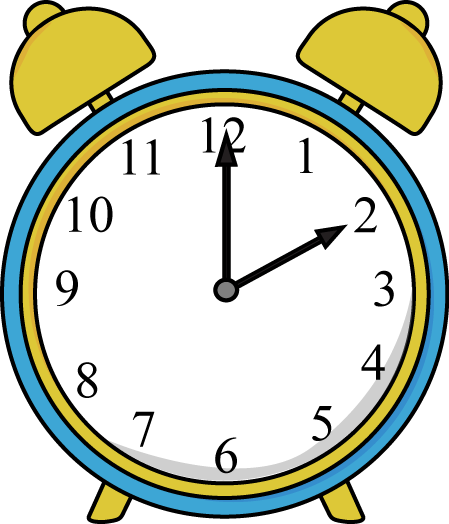
When your child is hungry and impatient with the speed of mealtime preparations, point to the large hand of the clock and say to her, “We will have dinner when this big hand gets to the bottom (or the top) of the clock.”
As you say this, point to where the hand will be. Then make every effort to meet this prediction accurately.
If she is not familiar with the clock, you will need to explain that the hand does move, but too slowly for her to see it.
Don’t try to teach her hours and minutes at first. This is difficult even for some first graders to understand, though by kindergarten many children will understand the concept of hours.

Star-Brite Learning Program
April 2016 Preschool Curriculum Download
A few examples from our April 2016 Preschool Curriculum Download! Only $27 for an entire month of crafts, worksheets, and more!
www.star-brite.com
March 2016 Preschool Curriculum Download
Take a look at a few examples of our March 2016 Downloadable Curriculum! Flashcards, worksheets, coloring activity books, crafts, and wearable vests for each child! Order for only $27!
www.star-brite.com
www.star-brite.com
Discipline is Teaching
Discipline is our way of teaching children about safety and societal norms.
Whatever type of discipline parents choose, the key is that some form of it is essential.
When you are faced with a two-year-old who is throwing a temper tantrum, or who is being unkind to a playmate:
1. Be specific. Instead of vague instructions like, “Cut it out,” use specific ones like: “Don’t take Jeremy’s toys. It’s not nice.”
2. Use body language. Move next to your child, put a hand on her shoulder, make eye contact.
3. Toddlers like to say the word “no.” So, avoid the word as much as you can when dealing with the child. Instead save “no” for times when you describe unacceptable behavior.
4. With older children, set guidelines in advance. If your child knows the consequences of his misbehavior, he will think twice about acting up.
5. Be consistent, even when it’s hard to follow through. Children need to know their parents’ word is good—for punishments and for rewards.
Star-Brite Learning Program
Subscribe to:
Posts (Atom)